
About
We are located in Guelph and Brampton and counsel online throughout Ontario, Canada.
Learn more about the team at Spacious Mind Counselling.
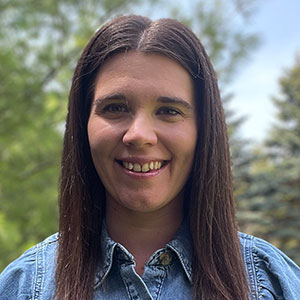
We don’t always get to control what happens in our life, however, we do have the choice to control how we allow challenging moments to impact our daily lives. My name is Kaylen Leonienco and I am a Registered Social Worker. My main goal is to help individuals, both adults and children navigate life’s most challenging moments. I specialize in working with individuals experiencing grief/loss, those living with or caregiving for someone with a chronic/life-limiting illness, anxiety, and depression.
My therapeutic approach is guided by Acceptance Commitment Therapy (ACT), Cognitive Behavioral Therapy (CBT), and Mindfulness-based Therapy from a strengths-based, trauma-informed lens.
I am currently accepting new clients and have availability to meet virtually or in person at the Guelph location. I look forward to meeting you and together, discovering the support you are looking for.
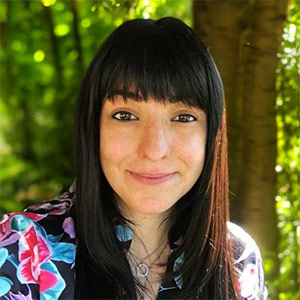
Over the years I have had the privilege of working closely with many individuals within the LGBTQ+ community. This experience has deepened my understanding of the specific challenges encountered from the members of this community, but also enriched my appreciation for the incredible diversity and strength within the community. As an ally, I advocate for your rights, and I am truly committed to creating an inclusive environment. Your identity is valid and celebrated in my therapeutic space.
I am currently a dedicated student on a path to becoming a registered psychotherapist, driven by my deep passion for helping others. My personal therapy experiences and my commitment to the LGBTQ+ community served as the foundation for my venture into the field of therapy, which was further nourished by my work with Kids Help Phone, where I gained invaluable experience in assisting young people confronting various life difficulties. I understand the unique challenges that can arise, and I am committed to providing a safe space for individuals of all backgrounds and identities.
The journey is about you and your well-being. I offer an integrative and inclusive person-centred approach that draws on a variety of different modalities to help support your unique needs and help bring new perspectives to the experiences and obstacles in your life. I also firmly believe in tailoring my approach to meet your individual needs, and I am highly flexible and adaptive to what works best for you. My outlook is rooted in the belief that you are the expert in your own life, and we will work collaboratively to create a space where you can explore your thoughts and emotions freely without judgment, at a pace that resonates with you. Your well-being is my top priority, and I am here to provide guidance, support, and a safe space for your healing and growth.
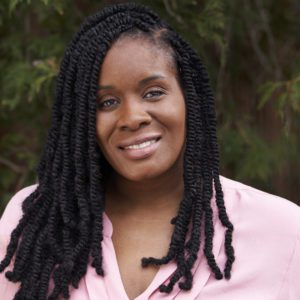
Many challenges we face are inevitable, but often we can sway the outcomes in our favour, keep challenges from compounding each other, and avoid other problems altogether. That is the philosophy I carry into my work helping my clients – from small children to adults – with challenges like ADHD, OCD, learning disabilities, autism, depression, anxiety, race-based trauma, relationship difficulties, self-esteem, and other concerns.
My promise is to provide you a compassionate, open, culturally-affirming, and empowering counselling environment. With over 10 years of experience in working with neurodiverse families, youth, and adults, I’ve gained an in-depth understanding of autism-spectrum disorder and other cognitive and developmental differences. I am always learning more about the complexity and layers of the mind, which allows me to help you navigate the complexity of life.
I work with individual clients and families in an online setting and in-person at our Guelph office. I would describe my approach to therapy as a goal-oriented, solution-focused, evidence-based, person-centered framework. In it I combine narrative therapy and cognitive behavioral theory, creating a collaborative relationship and process. I also incorporate an anti-oppressive, intersectional, and trauma-informed lens, in that my lived experience has helped me to understand, value, and validate your uniqueness.

Life with executive functioning differences (EF) or attention deficit hyperactivity disorder (ADHD) can be rewarding and challenging. Without an understanding of how EF or ADHD impacts our day to day, we can blame ourselves for things that aren’t our fault while we try to fit into a method of living not designed for our unique brains. On the other hand, when we understand ourselves and create a supportive environment around us, we can revel in the unique strengths of our EF or ADHD brains while compassionately accepting the challenges that come with it.
As a coach and counsellor with ADHD herself, Stacey (she/her) works with adults to help them understand their unique brains, honour their strengths and challenges, and work towards fulfilling their goals while compassionately accepting themselves. Working from a strength-based, solutions-focused, and acceptance and commitment lens, Stacey walks beside clients offering a framework for self-discovery and the opportunity to develop strategies and supports that help them live their best lives. In addressing the many areas of life influenced by EF and ADHD, Stacey has a special interest in supporting clients in developing self-leadership and emotional regulation.
ABOUT STACEY
Stacey identifies as a queer and neurodivergent woman. She is a counsellor (RPC-C) and certified coach with the Center for Applied Neuroscience. She has a BA in Social Sciences from the University of Guelph and a Diploma in Applied Counselling from Kelowna College of Professional Counsellors. In addition, she has completed over 30 hours of training in ADHD and 30 hours in Acceptance and Commitment Therapy. Before her career in counselling, she was a small business owner, business coach, and yoga and mindfulness teacher. Stacey pulls from her array of training and life experience to support clients in understanding, appreciating and working with themselves.
COACHING, COUNSELLING OR PSYCHOTHERAPY?
Coaching and counselling support clients to identify and utilize their strengths to address their concerns and reach their goals. As such, this approach is most supportive for clients who are functioning in most areas of their life, such as being able to attend work, maintain social relationships, and complete daily life tasks such as eating and dressing. Meanwhile, psychotherapy is aimed at the treatment of serious mental health conditions. As such, it is best suited for clients struggling to function in several life domains or those seeking treatment for comorbid conditions such as depression, anxiety, or trauma.
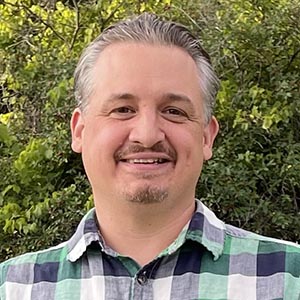
I am embarking on a journey deeply influenced by my lived experiences. I have benefitted from mental health resources throughout my life, starting at a young age needing to access strategies to manage extreme childhood anxiety. Now, as a father of five boys, two of whom have autism, in a recently blended family, I am on a continuous path of personal growth and self-exploration. Through my own personal work, I am able to manage symptoms of anxiety, cultivate meaningful relationships as a father and partner, and be a constant advocate for my children. It is through this lens that I chose to study psychotherapy and transition to a career dedicated to working with people facing their own life challenges.
I am committed to creating a therapeutic space characterised by empathy, authenticity, and unconditional care for my clients. Drawing from my own experiences and insights, I prioritise providing a non-judgemental and compassionate environment where individuals can freely process their thoughts and emotions and cultivate deeper self-awareness. With a genuine interest in understanding each person’s unique perspective, I am dedicated to fostering an atmosphere of trust and collaboration.
Using an integrative approach to therapy, I will draw from several modalities to provide an individualised therapeutic experience acknowledging the expertise you have in your own life. Within a supportive therapeutic relationship, we will explore the life story that has shaped your sense of self and build new skills to help overcome existing struggles.
Challenges I focus on include:
- anxiety
- depression
- low self-esteem
- burnout
- improving self-compassion
- improving emotional regulation
- attachment disorders
- relationship issues
- adjusting to life changes
- parenting
- neurodivergence in families
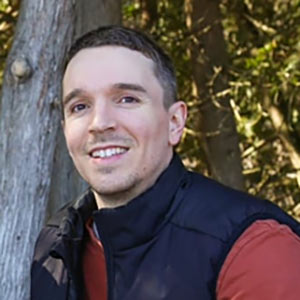
A current Mental Health Therapist at Homewood Health Centre, with a strong background supporting adolescents and teens through the Victoria District School Board, Waterloo District School Board, and Grand River Hospital outpatient services. Optimizing an eclectic approach, I work collaboratively to explore strategies aimed at addressing anxiety, depression, behaviour/emotion regulation, self-esteem/self-worth, experienced trauma, self-injurious behaviours, relationship issues and beyond.
Proficient in practicing from multiple lens’ including cognitive behavioural therapy, dialectical behaviour therapy, acceptance and commitment therapy, mindfulness-based practice, solution focused, motivational interviewing and beyond. Using a client-centred and trauma informed approach, I strive to build connections based on trust, and understanding.
Recognizing that mental wellness is a fundamental right, I support clients from all walks of life.
I believe it is my lived experience which has complemented me with a non-judgemental approach to service. A down-to-earth person who enjoys outdoor recreation and leisure, sports, music, reading, mindfulness, exercise, and spending time with my partner and children. Whether you’re an adolescent, teen, or adult struggling with mental wellness, I believe that together we can identify and achieve your desired goals and outcomes to further reach your best authentic version of self.
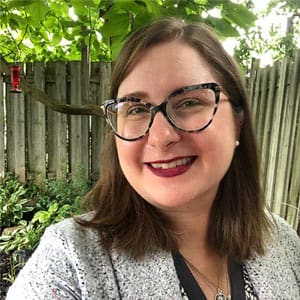
With a Master of Arts in Child Study and Education (MA) and a Master of Social Work (MSW) I have worked as a registered Social Worker for 3 years now and am experienced in both in-person and online therapy. I began my career in the health care field and moved to working in mental health. As a psychotherapist in private practice, I am focused on mental well-being for women, mental well-being for men, postpartum, couples, families, and grief and bereavement. I am also part of a consultation group on gender, identity and sexuality.
Early learning throughout our childhood can greatly impact how we manage later in life. It can impact how we see ourselves, how we see others, the world and the choices we make. However, the depth of this impact is not always so obvious. It is through deep reflection that we can learn perhaps why we manage the way we do.
As such, I believe we all have many stories to tell. Each story being unique, meaningful and worth telling. It is through this process of telling these stories that we begin to heal wounds and find ourselves again. The many stories of my life led me through loss, grief, stress and pain but also joy, connection, meaning and love.
First and foremost I work from a person-centred approach and incorporate narrative therapy, mindfulness and brief solution focused therapy. Telling our stories of grief, pain, love and triumph can release the grip they may have on us or build us up as we so deserve. I also utilize aspects of cognitive behavioural therapy throughout my sessions as our thought processes can strongly impact our story writing and how we interpret ours and other’s stories.
Your mental health matters and you are the author of your present and future stories. Through our sessions, I hope we can work together to discover your stories, help you build new, positive ones and prepare you to think, act and feel more adept in the face of difficult stories.
I will be expanding my practice into working with couples and families as well as focusing on grief and bereavement.
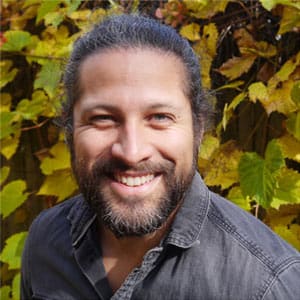
As a psychotherapist with 9 years of experience, I have grown to know that I have a passion for witnessing clients discover the values they cherish, and utilize those to achieve their goals. I know that people flourish in therapy and counselling when they have a good relationship with their therapist. I am devoted to creating and maintaining a safe, non-judgemental, calm, and sensitive therapeutic space in which you will receive appropriate support.
I am a registered psychotherapist and a registered marriage and family therapist who has worked in a variety of settings offering specialized support to individuals confronting unique circumstances. I utilize an integrative therapeutic approach drawing from multiple disciplines and modalities to offer clients a service tailored to each person or relationship.
I look forward to working with you.
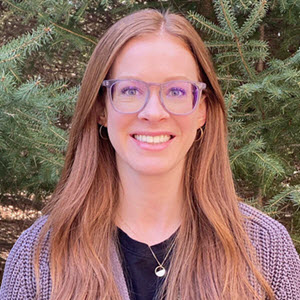
Nicole Konc
MSW, RSW, Psychotherapist About Nicole
Not currently accepting new clients. Returning clients please enquire about availability. New clients, please connect with one of our other skilled team members with immediate availability or or you can contact us to be added to a waiting list for Nicole.
Some of the concerns I often help clients on include: depression, anxiety, OCD, psychosis, trauma (of many kinds), self-endangerment, self-esteem, relationships, grief and loss, LGBTQ2S+, sexuality and gender identity, and more. Wherever you might be in the process of working through those issues (or others) is where we will pick up.
For 5+ years I have worked as a registered Social Worker in the field of mental health for five years. I have been fortunate enough to work with clients in various settings, including community mental health and private practice. It is a privilege to learn about and share in the journeys of others. I am passionate about providing hope and helping clients to reexamine limiting beliefs in a way that helps them achieve their goals.
I have extensive experience in supporting individuals with a wide range of mental wellness concerns using a client-centred and recovery-oriented approach, both in-person in Guelph and virtually (online). I use the Gottman Method, attachment theory, and emotion-focused therapy as my guiding framework for couples counselling – but you probably will not notice, because at root our sessions are a conversation between me and you. I try to keep it light and easy to discuss what is on your mind, while staying focused on your goals.
I look forward to getting to know you in a comfortable and non-judgmental space that allows us to work together on your challenges and help you find a sense of inner calm.
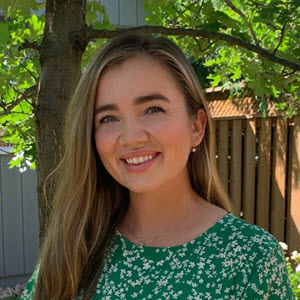
Hello, my name is Delaney Hughes. I am a Psychotherapist who loves working with people of all ages, including adults (of course) and youth. I believe in tailoring our therapeutic process to your unique needs and goals. My approach to therapy focuses on helping you become comfortable and confident in your own abilities, while introducing new strategies from evidence-based modalities to help you create a healthier and happier life. I use a variety humanistic, cognitive-behavioural, dialectical, psychodynamic and mindfulness approaches.
My background includes working with individuals who have struggled with a wide range of challenges, including depression, anxiety, obsessive compulsive disorder, post-traumatic stress disorder, borderline personality disorder, self-esteem, relationships, body image, anger, stress, guilt, shame, and more.
I work on an underlying foundation of trust, honesty and compassion, and provide a supportive environment that facilitates growth and healing. I practice through a lens of lived experience with trauma and mental illness. I understand how dark and frightening the difficult times can be, but I also know that it is possible to emerge a stronger, more resilient person.
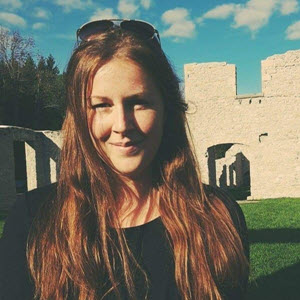
I can help with a wide variety of challenges, including:
- issues affecting First Nations people
- OCD
- depression
- anxiety
- bipolar disorder
- borderline personality disorder
- impulse control disorders
- school issues (including school anxiety and avoidance)
- and many more
I can help adults and teens 16+, generally.
My approach to counselling
It’s hard for me to describe my approach to counselling, because I try to tailor it to your specific needs, personality, and story. But I can touch on a few beliefs that (I hope) give you a sense of my philosophy:
– Therapy should be a space where you say what you don’t feel you can say anywhere else. That may take some getting used to, but it’s an important understanding to develop.
– Laughter can be a strong medicine. As one who used to do stand-up comedy, I know how much work it can be to get to a point where you can laugh a little, or at least crack a smile. As one who has availed myself of therapy, I know how some therapists can be a “tough room” and make you feel self-conscious, despite the best of intentions. My hope is to be an “easy room” where you can be yourself and not filter yourself.
– Empathy matters more than just about anything. I’m told I have a high level of empathy, but I would say that is just another way to describe curiosity. If I gloss over too many chapters of your life’s story, then of course some things won’t make as much sense. That is why I hope to cover as many chapters as you would like to share, so we can figure out what the next chapters can be about.
– I operate in an anti-oppressive framework, in recognition of marginalized communities’ and individuals’ unique challenges.
Professional and educational background
My career began in crisis services for a crisis phone line and safe beds facility. I then moved to providing case management for folks with dependencies and mental health issues. During this time I also worked for a walk-in counselling program. I did my MSW placement at a Friendship Centre and helped develop a program using both Western and traditional Indigenous approaches to care. I continued working with the Indigenous population alongside the healers and Elders on a part-time basis after my placement was completed.
I have a BA in Psychology, a Post-Grad Certificate in Concurrent Disorder, and a Masters of Social Work.
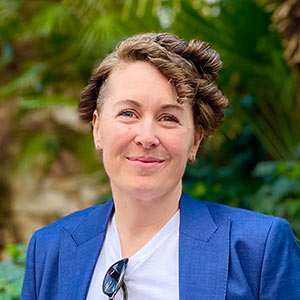
Some of my areas of focus include:
- LGBTQ2S+, sexuality, and gender identity
- Anxiety
- Depression
- Sports and performance psychotherapy
- ADHD and autism – AKA neurodivergence
- Low self-esteem
- Behaviour difficulties
- Parent-child conflict
- Parenting counselling
The first step is always the hardest, but it’s one we can take together. I offer a warm, relaxed, non-judgemental approach to healing, no matter what your starting point is.
I am based in Guelph and offer in-person counselling. I am a Registered Social Worker, Psychotherapist with over a decade of experience providing mental health counselling to children, teens, and young adults. I identify as Queer. In addition to my work at Spacious Mind Counselling, I also provide therapy and counselling to children and adolescents experiencing acute mental health crises at Grand River Hospital in Kitchener in their CAIP unit. My in-depth experience means I’m able to guide my clients confidently through the most challenging of issues.
I joined Spacious Mind Counselling with a goal of helping families and youth get ahead of problems or mitigate them before they spiral into crises.
Youth and young adults may benefit from any of a variety of modalities, including cognitive behavioural therapy, collaborative and proactive solutions, brief-solution-focused therapy, dialectical behavior therapy skills, mindfulness, and crisis planning.
I can assess whether there is a larger mental health difficulty contributing to a youth’s struggles. That is important if the youth may be struggling with undiagnosed conditions such as ADHD, autism, OCD, or serious mental health issues. I believe it’s important to coordinate my efforts as a therapist with families’ efforts, and that parents are an integral part of child and youth mental health treatment.
In my spare time I enjoy parenting my 3 children, playing rugby, skiing, hiking with my lab, gardening, and exercising.

I meet most of my clients when they are:
- overwhelmed by their big life or work project
- feeling stuck or lost in their life
- dealing with career or big life changes
- facing leadership challenges
- wanting to resolve heated conflict
MA International Professional Communication
MSc International Relations and Diplomacy
If you’re reading this, there’s a good chance that you or someone you love is suffering in some way. But the good news is that things will get better, and I hope to help you (or them) get to better times.
I help individuals and couples move from anxiety, stress, overwhelm, feeling stuck or in conflict to a life of well-being, connection, joy, and aliveness.
When we experience too much anxiety, overwhelm, frustration or disconnection too often I believe it indicates we have needs that are not getting met and unhelpful mindsets that are holding you back. And most important of all, there are dreams not being lived.
Through gentle, insightful conversation and – sometimes playful – tools and explorations together we quickly increase your capacity to be with your humanity and expand your capacity for feeling alive and connected. This is key to fully stand in our power, be grounded and confident in our ability to do what’s most important in life, which is to step forward to what matters, step forward into your values, step forward into the kind of love and relations you want and go after the life you know you need to live and your life goals.
As your coach, I can show up for you as a confidant, mentor, trainer, teacher, guide, motivator, and accountability partner who’s fully committed to your growth and building the life-skills, mindset and resilience you need to work towards your dreams.
In all my transformational engagements I create atmospheres of greatness for you to thrive in. My approach is based on the latest neuroscience, Interpersonal Neurobiology, Organization & Relationship Systems Coaching, Emotional Agility, Non-Violent Communication, Buddhist teachings, and Internal Family Systems.
Because of my commitment to my clients and their life goals, I work with most of my clients over a period of 3 to 6 months or longer. When we decide to work together after our initial consultation meeting, we will together agree on what coaching package fits best with your needs, wants, and lifestyle.
If you are feeling anxious, stuck, disconnected or overwhelmed and want big change, more resilience, and a sense of joy back into your life, then schedule your first session and we’ll dive right in! I’m looking forward to it!
“Beyond right thinking, beyond wrong thinking, there is a field, I will meet you there.” – Rumi
Mabel’s professional background
She’s a certified Life & Leadership Coach and Organization and Organization & Relationship Systems Coach and helped extraordinary people live their best life for the last 5 years. She’s also an international public relations and communications specialist who has extensive experience in initiating collaborations and maintaining international partnerships for governments, corporations, UN-organizations and NGOs in Europe and Latin-America. Her track record includes working for the Dutch Foreign Affairs in Panama and for UNHCR in Ecuador. She speaks 6 languages and has lived and worked in over 10 different countries.
What’s the difference between therapy and coaching?
Coaching is about your growth and personal development in a solution-oriented environment where much of the focus is forward-looking to the life you want to create and to what matters to you. We look at that which is holding you back and what you need to do, the skills and mindset you need to develop, to move forward and to improve your life and work towards your goals – and ultimately your sense of fulfillment, joy, and happiness.
Therapy can at times be a pre-condition before moving to coaching or happen in conjunction when there are deeper underlying issues that need attention so you are being served best. After therapy, having a coach can be particularly beneficial to stay the course, stay motivated and to develop the mindset and healthy habits to work towards your goals and your new found change.
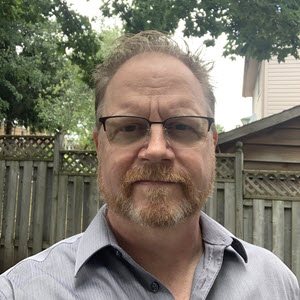
Richard Avery
BASc, MSW, RSW, Registered Social Worker and Psychotherapist
Challenges I can help you with include:
Seeking support from a therapist can be a stressful and sometimes confusing process. Taking that first step is a positive choice towards a journey for changing something that maybe doesn’t feel quite right. Together we can look at new perspectives and strategies, and have an opportunity to reflect on what is important to you and how you’d like to live your life. If you’ve experienced the recent death of someone close to you, or are managing challenges around anxiety, depression, emotions or trauma, let’s take the time and make space to begin a compassionate conversation for fostering your vibrant life.
I am a registered social worker with the Ontario College of Social Workers and Social Service Workers (OCSWSSW), and also a member of the Ontario Association of Social Workers (OASW), and the Canadian Association of Social Workers (CASW). Following a career in IT, I returned to school and received my Master of Social Work degree from Wilfrid Laurier University. I have participated in specialized training in Narrative Therapy practice, EMDR, grief counselling, and suicide bereavement. I utilize an eclectic mix of therapeutic approaches drawing on elements of CBT, EMDR, Mindfulness, and Solution-Focused therapies, while my core framework is a Narrative Therapy practice framework.
Regardless of the therapy approach, my technique is client-centred and collaborative in nature, and unique to each person’s circumstances, strengths and abilities. I have supported clients addressing challenges around acquired brain injury, anxiety, depression, grief and bereavement, self-esteem and self-confidence, and trauma. My previous work with clients has been with individuals, couples, children and families, and some specific work with first-responders. I am currently focused on working with individual or first-responder adult clients in the areas of death and dying, grief and trauma.
Wherever you are on your journey, let’s walk together and navigate the challenges that have brought you here. I offer free consultation appointments where we can talk about any questions you may have. I look forward to meeting with you.

Taylor Caissie
Lower Rates: $100/Hour or Under
Challenges I focus on include:
- anxiety
- depression
- low self-esteem
- burnout
- improving self-compassion
- improving emotional regulation
- attachment disorders
- relationship issues
- adjusting to life changes
- and related issues
My Approach to Therapy
I believe you (my client or possible future client) to be the expert in your own life, and I am the passenger on your road to healing. As a passenger, it’s not my place to howl at you to turn left or slow down. But I will keep you company, I will help you navigate, and I will point out stop signs and animals running into the road.
If you want hard advice delivered hard, you might prefer a different style of counselling. However, if you are looking for a low-pressure therapist, you may find my approach to be just right. If you feel life is spinning around so quickly that you can’t make choices in the way you want to, I can help you calm things down enough for you to make the best choices for you. Clients I’ve worked with like that I welcoming, positive, and inviting, and that I understand their stories without judgement. Many feel a greater sense of empowerment and freedom of choice. I gear therapy and treatment based on your unique goals and realities.
A description of my approach for other therapists or people who prefer “therapyspeak” might go something like this: I apply different theoretical lenses to assist in understanding a client’s experience and provide them with the guidance of exploring their story at their own pace.
My current approach utilizes an eclectic style, where I view my client through a variety of different lenses to help make meaning of their challeneges and experiences. Specifically, I have developed a deep appreciation for person-centered approaches, I incorporate a holistic view of health, and I understand the therapeutic effects that come from narrative approaches in telling one’s story. Furthermore, I have experience and training in acceptance and commitment therapy, mindfulness techniques, cognitive behavioural interventions, and motivational interviewing. In developing a supportive relationship with my clients, I encourage effective communication that enhances a person to shape their understanding of their sense of self and empower them to take action through transformative moments where vulnerability is encouraged through a safely balanced medium.
Education and Professional Background: Currently, I am in pursuit of a Master of Arts degree in Counselling Psychology, with the goal of becoming a registered psychotherapist. In reflecting on my professional development, my interest in helping others began with my involvement in the not-for-profit sector in my early education. That experience allowed me to develop deep empathy for the experiences of others and was profoundly touched by the resilience I observed in many despite adversity. It was then I knew that helping others was not only a passion of mine, but also one where I was dedicated to helping make important changes for individuals and for the wider community at large. My professional experience has included working in front-line crisis and support through the shelter system in Hamilton for women and children, and being a part of numerous community initiatives specializing in public health and community education. These experiences have allowed me to enhance my experience in a trauma-informed approach to counselling and to understand the many intersections of health that affect individuals on a daily basis.
Personal Interests: I was born and raised in Guelph, and always seek for new adventures and opportunities. I spend the majority of my summer in Wasaga Beach and have developed a deep appreciation of life on the water. Weather it is with my partner, family or friends, I enjoy the time I get to spend with them. I am a fan of hosting late-night board game get-togethers; I can be quite competitive! I am an avid foodie and love to cook and challenge myself with different cuisines. Throughout the pandemic, I developed my sushi-making skills and often treat my family to a sushi night dinner. I enjoy the simple things of life, and actively practice self-reflection and self-care for my own wellbeing. In staying connected with my roots of not-for-profit work, I actively volunteer and give back to my community where I can.

Shane Smyth
MA, RP, PsychotherapistAbout Shane
Not currently accepting new clients. Returning clients please enquire about availability. New clients, please connect with one of our other skilled team members with immediate availability or you can contact us to be added to a waiting list for Shane.
I am a registered psychotherapist specializing in individual, couples and family therapy and the owner/clinical director of Spacious Mind Counselling. I am trained and experienced in the delivery of online therapy for the past ten years.
I believe you are the expert in your life and even though you may not know it, you have all the answers within you. Unfortunately sometimes life can make accessing these answers difficult. Trauma, mental health issues such as anxiety and depression, work, family, and relationship pressures can all impact our ability to connect to peace and happiness.
I have found through personal experience that talking to a trained professional in psychotherapy who is kind, caring, non judgmental and emotionally attuned can support the process of being able to listen to ourselves and work towards living a life that is free of suffering. I am passionate about providing quality therapy to people I work with.
I was born in Ireland and qualified initially as a mechanical engineer. I became interested in psychotherapy through personal growth and engagement in my own journey. It was following a significant crisis due to overworking, anxiety and low self esteem that I decided to engage in personal therapy 15 years ago. I benefited so much from therapy that I decided to study it formally. This led me to gaining a masters in community work with an honours bachelors degree in psychotherapy and becoming a registered psychotherapist.
I moved to Canada in 2014 and have been lucky enough to study with leaders in the field of psychotherapy. I have found therapy helpful in my own life to manage symptoms of depression, compulsive behaviours and anxiety which has led to increased happiness, less reactive habits and improved personal relationships. I am grateful to be able to teach these skills to the people I work with.
I have worked in the areas of mental health and family services for over ten years. I have trained internationally in several areas of humanistic and integrative psychotherapy including dialectic behavior therapy, cognitive behavior therapy, narrative therapy, emotionally focused therapy, motivational interviewing, family systems therapy, couples therapy and gestalt therapy. The type of therapy that was a significant game changer for me however was MiCBT. Although it required more personal work, it reaped greater peace and calmness of mind than other modalities and is now part of my daily routine and greatly informs my work.